
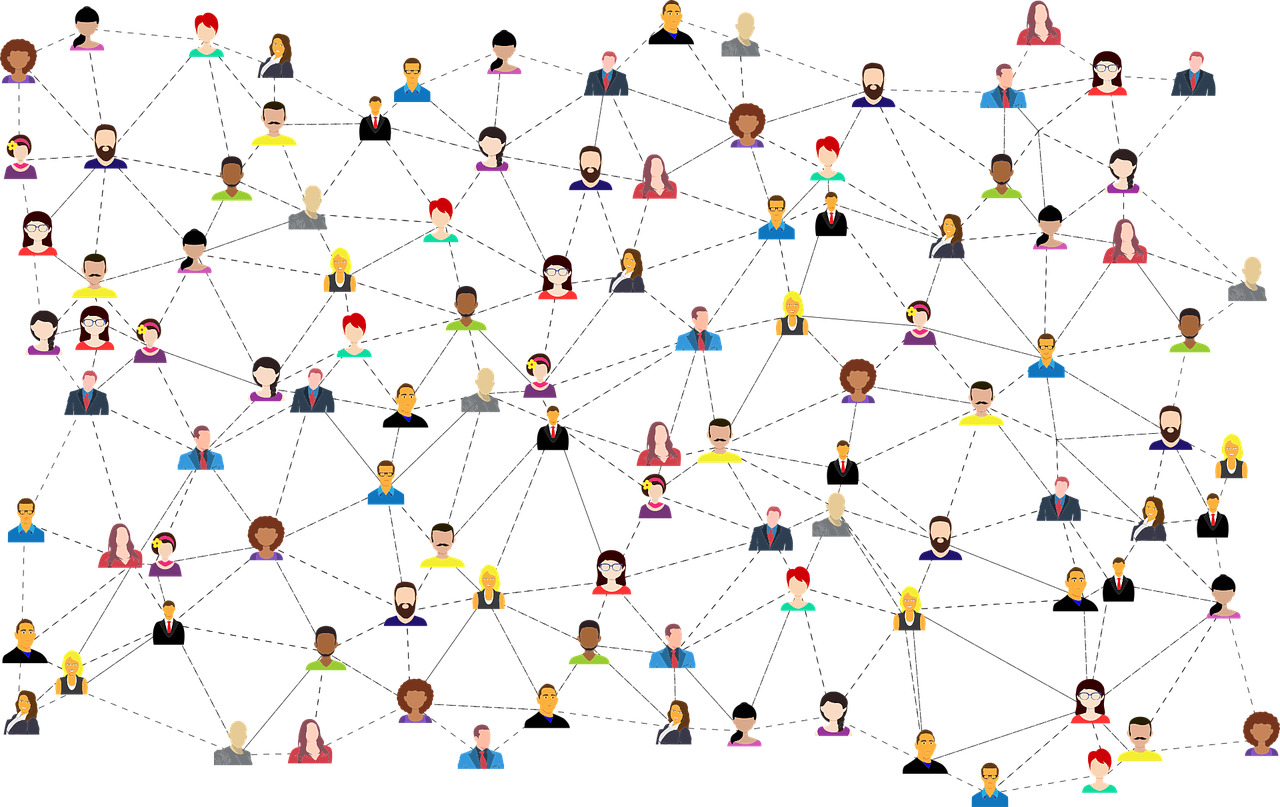
Virtual Networking: Mastering Digital Professional Relationships
[Reading Time: 10-12 minutes]
Table of Contents
1. Understanding Virtual Networking
2. Essential Virtual Networking Platforms
3. Core Virtual Networking Techniques
4. Common Virtual Networking Mistakes
5. Building Your Virtual Networking System
6. FAQ
Introduction
Sarah, a marketing director from Chicago, landed her dream job at a Fortune 500 company without ever meeting her future boss in person. Through strategic virtual networking, she cultivated relationships across three continents, positioning herself as the obvious choice when an executive role opened. Her transformation from traditional networking approaches to digital mastery increased her professional connections by 300% in just six months.
Virtual networking isn’t just traditional networking moved online—it’s a completely different discipline requiring unique skills, mindset shifts, and strategic approaches adapted for American business culture. While many professionals treat digital networking as an afterthought, the most successful leaders recognize it as the primary pathway to career advancement in our increasingly distributed world.
Three Common Misconceptions About Virtual Networking:
1. “It’s less authentic than in-person networking” – Research shows digital relationships can develop trust 40% faster when approached strategically
2. “Video calls are enough” – Effective virtual networking spans multiple touchpoints beyond video conferencing
3. “It’s only for remote workers” – Even traditional office workers benefit from digital professional relationships that transcend geographic limitations
Unique Angle: Why virtual networking requires different skills than in-person networking: American business culture values efficiency and direct communication, making digital interactions fundamentally different from face-to-face networking. Success online demands heightened intentionality and structural approaches to relationship building.
Understanding Virtual Networking
The Digital Foundation of Professional Relationships in America
The science of virtual connection building reveals fascinating insights about how our brains process digital interactions differently than face-to-face encounters. Neuroscientists at Stanford University found that virtual interactions trigger different neural pathways, emphasizing the importance of intentional communication strategies to compensate for missing non-verbal cues.
Technology’s Role in Relationship Development
Virtual networking leverages technological infrastructure to create relationship ecosystems that would be impossible through traditional means:
– Asynchronous relationship maintenance: Essential for managing connections across US time zones
– Scalable personalization: AI-assisted relationship management allows for authentic interactions at scale
– Multi-modal engagement: Combining video, text, voice, and visual content creates richer relationship experiences
– Data-driven relationship insights: Digital platforms provide analytics to optimize networking approaches
Trust-Building in Digital Environments
Building trust virtually requires deliberate strategies that address the “trust deficit” inherent in digital interactions:
1. Consistency across touchpoints: Maintaining professional presence on platforms Americans use most
2. Value-first communication: Leading with insights and resources rather than requests (American business culture favors this approach)
3. Transparent communication: Explicitly stating intentions and expectations (aligns with American direct communication preference)
4. Reciprocal engagement: Creating balanced exchange of value and attention
According to Stanford University research on digital workplace psychology, virtual trust-building follows different neurological pathways than in-person interactions, emphasizing the need for structured approaches to digital relationship development.
Case Study: Remote Team Integration in American Context
Tech startup DevFlow (name anonymized) transformed their onboarding process using virtual networking principles adapted for American business culture. By implementing structured digital introductions, virtual coffee chats scheduled within business hours, and collaborative online projects with clear deliverables, they reduced new hire integration time by 45% and improved six-month retention rates by 30%. The key? Treating virtual relationships as structured professional investments with measurable outcomes.
Understanding American Virtual Networking Preferences
Regional and Industry Considerations:
– Tech hubs (Silicon Valley, Seattle): More casual approach, but still efficiency-focused
– Financial centers (NYC, Boston): More formal digital interactions, emphasis on credentials
– Midwest: Balance of professionalism and friendliness, value straightforward communication
– South: Warm approach but maintain professionalism, longer relationship-building phase acceptable
Essential Virtual Networking Platforms
Navigating the Digital Professional Ecosystem
The platform landscape for virtual networking extends far beyond LinkedIn, encompassing specialized environments designed for different networking objectives and professional contexts.
Understanding Platform Activity and Relevance for US Professionals
As of 2024-2025, the professional networking landscape shows significant shifts relevant to American business culture:
– LinkedIn remains the dominant B2B platform with consistent growth, favored by 85% of US professionals
– Alignable maintains active engagement with regular contests drawing 300,000+ votes, strong for local business networking especially outside major metros
– X (Twitter) has evolved significantly but retains 500+ million monthly active users, popular in tech, media, and political circles
– Threads has emerged as a strong alternative with 320+ million monthly active users and 73% higher engagement rates than X
– Meetup continues to facilitate local professional gatherings with its 60+ million user base, particularly popular in metropolitan areas
– Industry-specific platforms vary by sector (GitHub for tech, Behance for creative professionals)
Comprehensive Platform Analysis
1. Professional Networking Platforms
– LinkedIn: Industry standard with over 212 million US users in early 2024
– Alignable: Business-focused platform with 9+ million members across North America, serving small businesses with recurring engagement events and contests
– Meetup: Over 60 million users worldwide, organizing local professional gatherings and industry-specific events
2. Industry-Specific Ecosystems
– GitHub: Essential for tech professionals
– Behance: Creative industries networking
– ResearchGate: Academic and research communities
3. Hybrid Communication Platforms
– Zoom/Teams: Video-first relationship building (standard in corporate America)
– Slack communities: Asynchronous professional conversations
– Discord servers: Community-driven networking spaces
4. Emerging Virtual Networking Tools
– X (Twitter): Real-time engagement with 500+ million monthly active users
– Threads: Meta’s microblogging platform with 320+ million monthly active users, higher engagement rates than X
– Meetup: Local and virtual professional gatherings
Platform Selection Matrix
| Purpose | Best Platform Choice | Secondary Options |
|---|---|---|
| B2B Lead Generation | LinkedIn + Sales Navigator | Alignable |
| Creative Portfolio Sharing | Behance + Instagram | Dribble, Etsy |
| Technical Collaboration | GitHub + Stack Overflow | GitLab, Discord |
| Industry Communities | Industry-specific forums | Facebook Groups, Reddit |
| Video Networking | Zoom + Calendly | Google Meet, Loom |
| Local Professional Events | Meetup | Eventbrite |
| Real-time Conversations | X (Twitter) + Threads | Clubhouse |
Virtual Networking Platform Decision Tree
1. Define your networking goal
2. Identify your target audience
3. Assess your content creation capabilities
4. Choose platforms that align with these three factors
5. Start with 2-3 platforms maximum
6. Master one before expanding
Current Best Practices (2024-2025):
– Alignable for local business networking with consistent engagement features
– LinkedIn for broad professional networking and B2B connections
– Meetup for local and hybrid professional events
– X/Threads for real-time industry conversations and thought leadership
Core Virtual Networking Techniques
Mastering Digital Professional Communication
Virtual networking success depends on mastering fundamental techniques that translate relationship-building principles into digital environments.
Crafting Compelling Digital Messages
The IMPACT Framework for Virtual Outreach:
– Introduction: Personal, relevant connection point
– Mutual Benefit: Clear value proposition for both parties
– Personalization: Specific references to their work/interests
– Action Request: Clear, low-pressure next step
– Closing: Gracious exit with future connection point
– Timeline: Respect for their time constraints

The IMPACT Framework visualizes six essential elements for effective digital relationship building across platforms: Introduction (personal connection), Mutual Benefit (value proposition), Personalization (referencing digital presence), Action Request (virtual meeting invite), Closing (digital follow-up), and Timeline (async-friendly communication).
Example Message Template:
Hi [Name],

I noticed your recent post about [specific content] really resonated with the
challenges we discussed at [where you know them from]. Your insight about
[specific point] reminded me of the [relevant resource/connection] I mentioned.

I've attached [specific value] that might complement your work on [their project].
If it's helpful, I'd be happy to introduce you to [mutual connection] who's
seeing similar results.

Would you be open to a brief 20-minute virtual coffee next week to explore this
further? I'm particularly interested in your perspective on [specific question].

Best regards,
[Your name]

P.S. No pressure if timing doesn't work - I'll follow up with the resource
regardless!
Virtual Meeting Excellence for American Business Culture
Pre-Meeting Optimization:
– Send agenda 48 hours in advance (Americans value preparation)
– Test technology 30 minutes before
– Schedule meetings for standard business hours (8 AM – 6 PM local time)
– Set clear session objectives with measurable outcomes
During the Meeting:
– Open with brief personal connection (max 2 minutes)
– Maintain consistent eye contact with camera (demonstrates confidence)
– Use names frequently for engagement
– Create interaction opportunities
– Take visible notes to show engagement
– Be concise and respect the scheduled end time
Post-Meeting Follow-up:
– Send summary within 24 hours with next steps
– Include action items with clear owners and deadlines
– Attach promised resources
– Schedule next touchpoint with specific agenda
Building Trust Through Screens
Digital Body Language Essentials:
– Camera positioning: Eye level for power dynamics
– Lighting strategy: Face illumination without shadows
– Background selection: Professional but not sterile
– Gesture usage: Visible hand movements for emphasis
– Screen sharing: Prepared, organized presentations
Online Value Exchange
Virtual Networking Currency includes:
– Introductions: Strategic connections
– Knowledge sharing: Industry insights and data
– Collaboration opportunities: Project partnerships
– Social proof: Public endorsements and recommendations
– Platform access: Exclusive community invitations
Digital Relationship Maintenance
Systematic Engagement Strategy:
1. Monthly touchpoints: Meaningful check-ins
2. Quarterly value adds: Substantial contributions
3. Annual relationship audits: Strategic assessment
4. Continuous content engagement: Thoughtful responses
Templates for Relationship Maintenance:
Monthly Check-in:
“Hi [Name], hope you’re well! I’ve been following your progress on [project] and
wanted to share this [resource] I found that might complement your work. How’s
[specific challenge] treating you?”
Quarterly Value Add:
“[Name], I’ve been thinking about our conversation on [topic]. I’ve compiled some
data that might support your [initiative]. Would you like me to send over the
analysis?”
Get Virtual Networking Guidance Ready to accelerate your virtual networking results? Schedule a free 15-minute strategy session to get personalized recommendations for your digital networking approach.
Common Virtual Networking Mistakes
Avoiding Critical Digital Networking Pitfalls in American Business
Understanding common virtual networking mistakes helps professionals avoid relationship-damaging errors while building stronger digital connections in the American business context.
1. Over-automation Without Personalization
– Mistake: Using generic mass outreach without customization
– American context: Particularly damaging as Americans value authentic, direct communication
– Solution: Limit automation to scheduling; personalize all communications with specific references
2. Neglecting Platform Etiquette
– Mistake: Treating all platforms with the same approach
– American context: Different industries and regions have distinct platform cultures
– Solution: Study platform norms and adjust for regional differences (NY vs. SF etiquette varies)
3. One-sided Value Exchange
– Mistake: Consistently requesting without giving value first
– American context: Conflicts with American expectation of fair exchange
– Solution: Lead with value; demonstrate expertise before making requests
4. Ignoring Time Zone Considerations
– Mistake: Scheduling without considering others’ time zones across the US
– American context: Shows disrespect for others’ time (major cultural issue)
– Solution: Use calendar tools that show multiple US time zones; propose options
5. Missing Regional Cultural Nuances
– Mistake: Using one communication style across all US regions
– American context: East/West/South/Midwest have different networking expectations
– Solution: Adapt communication style based on regional norms while maintaining professionalism
6. Violating American Networking Timelines
– Mistake: Moving too slowly or too quickly in relationship development
– American context: Americans expect faster progression than in many cultures
– Solution: Follow up within 24-48 hours; move to business discussion after brief rapport-building
Quick Recovery Strategies:
– Acknowledge mistakes transparently and promptly
– Offer sincere apologies with concrete corrective action
– Learn from errors without over-explaining (Americans prefer brevity)
– Rebuild trust through consistent positive behavior and delivered promises
Quick Reference: Mistake-Avoidance Checklist
– Verify correct time zone
– Personalize message content
– Include value exchange proposal
– Use platform-appropriate tone
– Review privacy settings
– Establish follow-up timeline
Building Your Virtual Networking System
Creating Your Digital Professional Presence
A systematic approach to virtual networking transforms sporadic interactions into sustainable professional relationship building.
Goal-Setting Framework for Virtual Networking
SMART-V Goals (Virtual-specific):
– Specific: Define platform and connection targets
– Measurable: Track interactions and outcomes
– Achievable: Realistic based on time investment
– Relevant: Aligned with career objectives
– Time-bound: Clear milestones and deadlines
– Value-focused: Emphasizes mutual benefit
Time Management for Digital Outreach
Weekly Networking Schedule Template:
– Monday: New connection outreach (30 minutes)
– Tuesday: Follow-up on pending conversations (45 minutes)
– Wednesday: Content creation/sharing (60 minutes)
– Thursday: Industry event/webinar participation (90 minutes)
– Friday: Relationship maintenance check-ins (30 minutes)
Personal Branding in Virtual Spaces
Digital Brand Pillars:
1. Professional expertise: Consistent domain knowledge
2. Communication style: Authentic voice across platforms
3. Value proposition: Clear benefit to others
4. Visual identity: Consistent imagery and design
5. Content strategy: Regular, valuable contributions
Progress Tracking Without Overwhelm
Simple Metrics Dashboard:
– Meaningful connections made (monthly)
– Value exchanges completed (mutual benefit)
– Follow-through rate on commitments
– Positive feedback received
– Opportunities generated from networking
Monthly Review Questions:
1. Which connections provided the most value?
2. Where did I fall short on follow-through?
3. What networking techniques worked best?
4. How can I improve my virtual presence?
5. What opportunities emerged from networking?
Virtual Networking in Different US Industries
Technology Sector:
– Prefer Slack, Discord, and LinkedIn for primary networking
– Value technical demonstrations and GitHub portfolios
– Accept more casual communication style
– Fast-paced relationship development expected
Finance & Banking:
– LinkedIn and industry-specific platforms dominate
– Formal communication style required
– Credentials and track record crucial
– Longer relationship-building process accepted
Healthcare:
– LinkedIn Professional and specialized medical forums
– HIPAA compliance considerations
– Research-based networking common
– Professional titles and certifications important
Creative Industries:
– Visual portfolios on Behance/Instagram essential
– Informal but professional communication
– Project collaboration focus
– Networking through shared work common
Consulting & Professional Services:
– LinkedIn as primary platform
– Professional-yet-personable communication style
– Results and client outcomes emphasized
– Networking through thought leadership
FAQ
Frequently Asked Questions About Virtual Networking
Q: How many virtual connections should I maintain actively?
Research suggests maintaining 5-7 active professional relationships while nurturing a broader network of 15-20 connections quarterly. Focus on depth over breadth for sustainable networking.
Q: What’s the best time to reach out to new connections?
Tuesday through Thursday, 10 AM – 4 PM in the recipient’s time zone typically yields highest response rates. Avoid Mondays, Fridays, and end-of-month periods.
Q: How do I make virtual networking feel more personal?
Incorporate personal elements like handwritten notes, voice messages, or sending local specialty items. Reference past conversations and shared experiences consistently.
Q: Should I connect on multiple platforms simultaneously?
Start with one primary platform until mastery, then gradually expand. Different platforms serve different purposes—align your platform mix with your networking goals.
Q: How do I handle virtual networking fatigue?
Batch similar activities together, take regular breaks from screens, vary your networking formats (voice, text, video), and focus on quality over quantity.
Conclusion and Next Steps
Virtual networking represents a fundamental shift in how professionals build relationships, requiring intentional strategies that honor digital environments’ unique characteristics. The key takeaways for mastering digital professional relationships include:
• Strategic platform selection based on goals, not popularity
• Value-first communication that builds trust systematically
• Systematic approaches that make networking sustainable long-term
Your 7-Day Virtual Networking Quick Start:
1. Audit current digital presence
2. Select 2-3 primary networking platforms
3. Optimize profiles with consistent messaging
4. Reach out to 5 existing connections
5. Share one piece of valuable content
6. Attend one virtual networking event
7. Schedule follow-ups with all new connections
Ready to Apply Virtual Networking to Your Job Search?
Virtual networking becomes even more powerful when applied strategically to job search efforts. Our advanced job search strategies guide reveals how to convert digital connections into career opportunities, featuring platform-specific tactics for targeting hiring companies and accelerating your path to multiple job offers.
Discover how successful professionals are transforming virtual networking into concrete career advancement, with proven frameworks for digital job search acceleration.
Transform Your Virtual Job SearchReady to convert your digital connections into career opportunities? Get expert guidance on virtual networking job search strategies with a free assessment.
This article is part of our comprehensive networking series. For related strategies, explore our guides on general Professional Networking and Industry-Specific Networking approaches.
Last Updated: May 2025
Sources verified as of April 2025
Additional Resources
Book an initial free consultation
Free 15 minute career coaching consultation. Find out how career coaching can help you to get the job you really want.